East or West?
Two neighborhoods, one river.
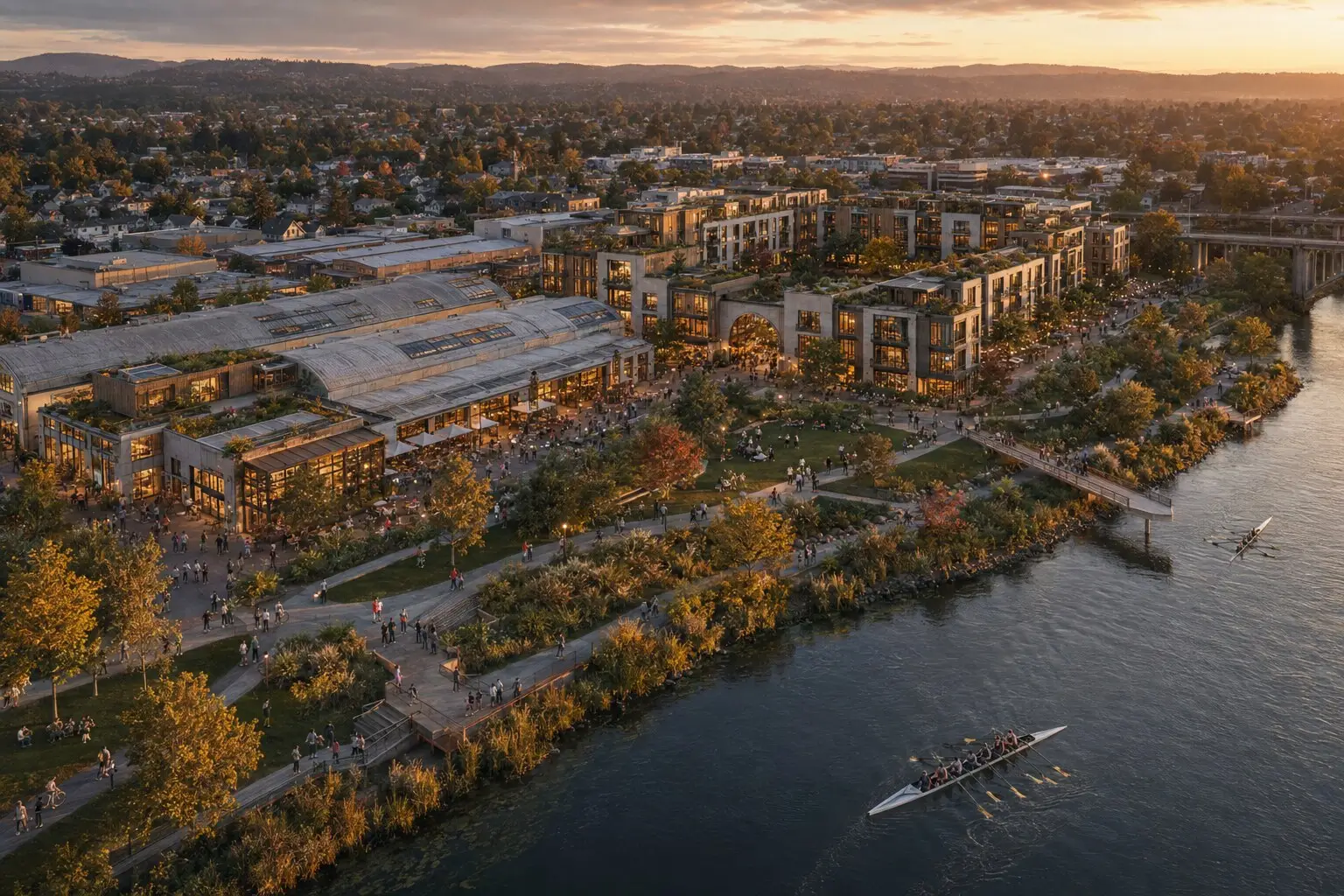
We are planning two neighborhoods on opposite banks of the same river in Oregon, joined by an old railroad bridge that now carries only people on foot and on bikes. Both banks were canneries and working waterfront once, and both will mix buildings that are already standing with new ones built beside them.
The difference is what each one is for. One is the riverfront side of a downtown that already exists. The other keeps making things, with a full neighborhood around the work. Both are places to raise a family, grow old, or start something. We would like to know which one you would want to live in.
The Eastside
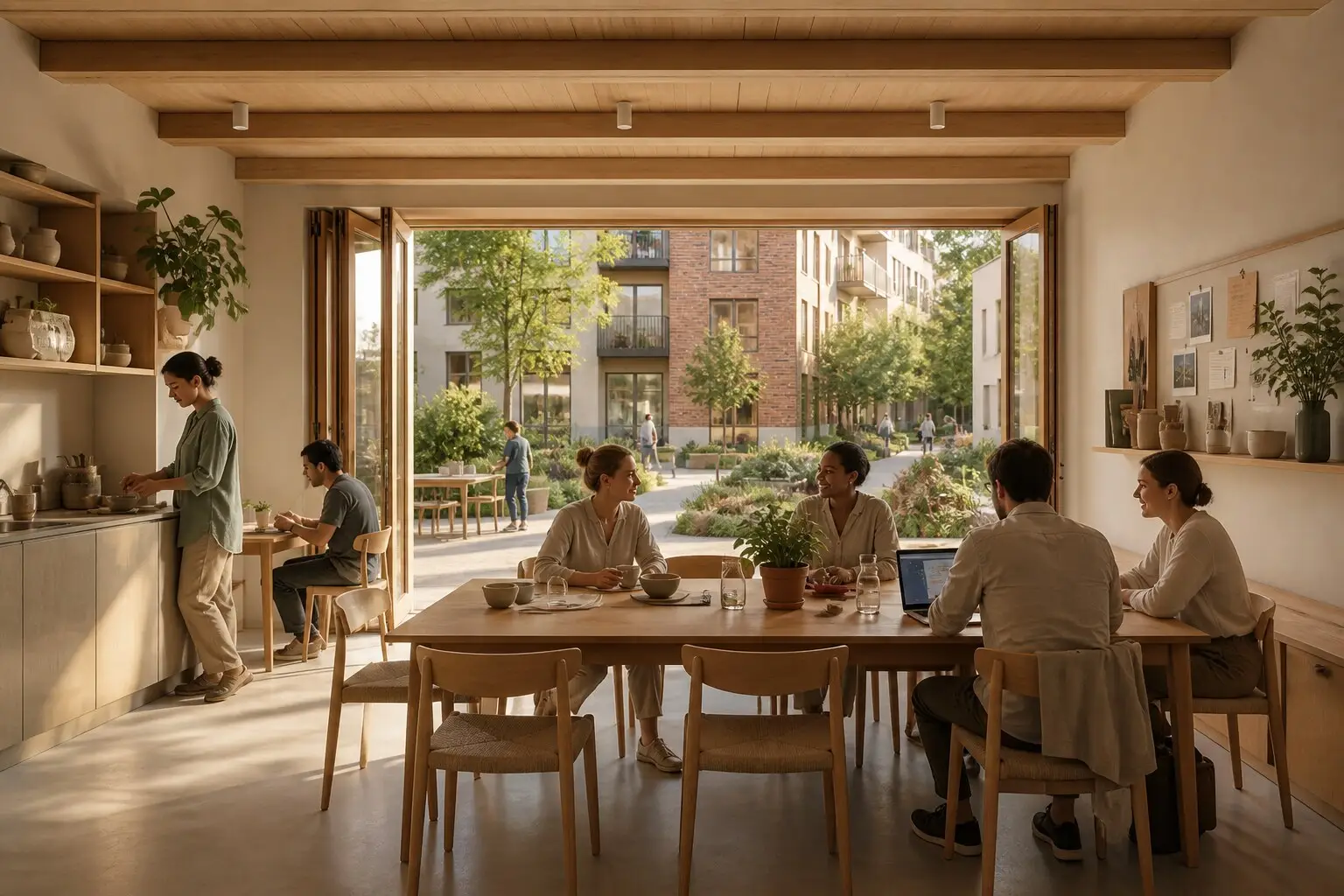
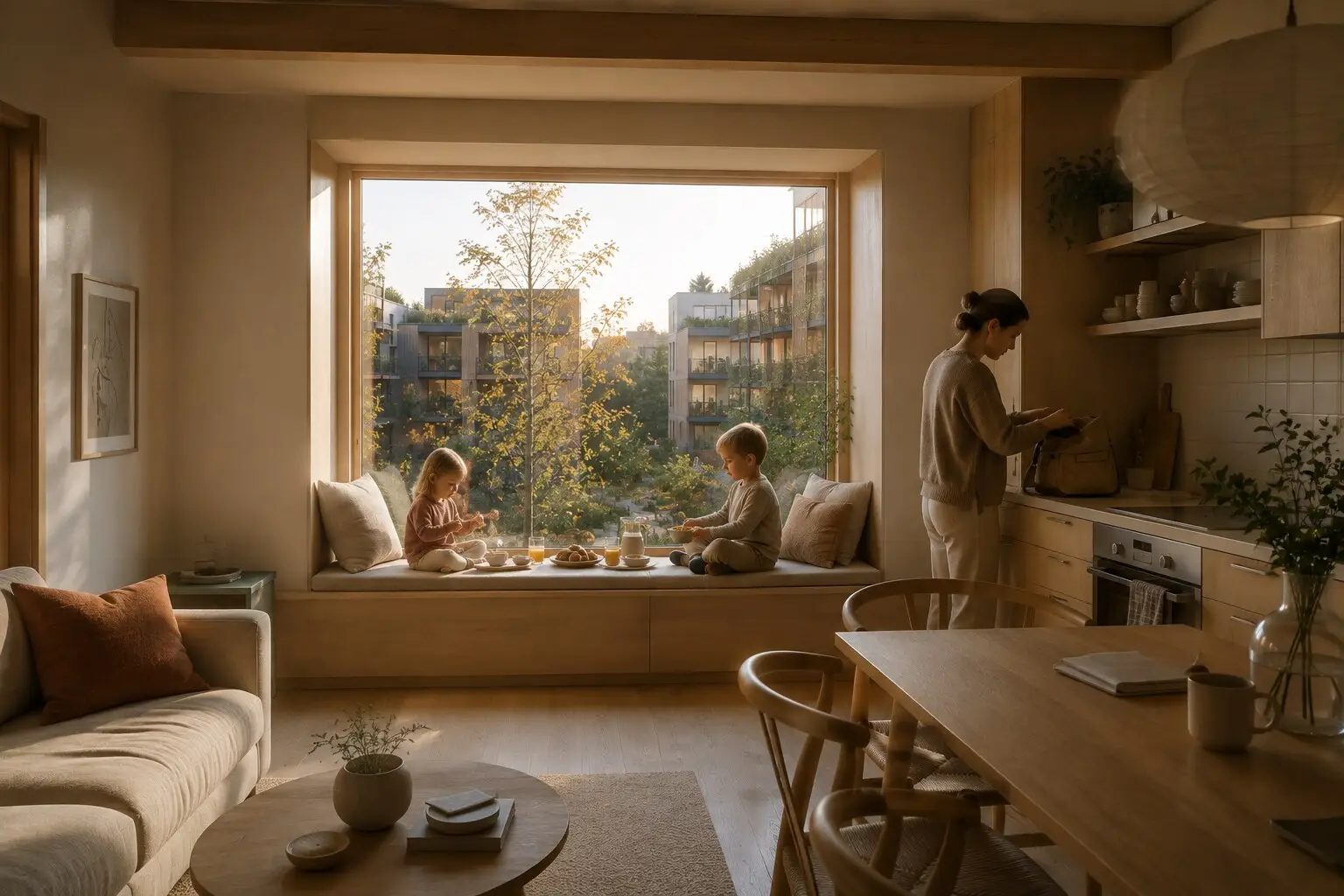
The riverfront side of a downtown.
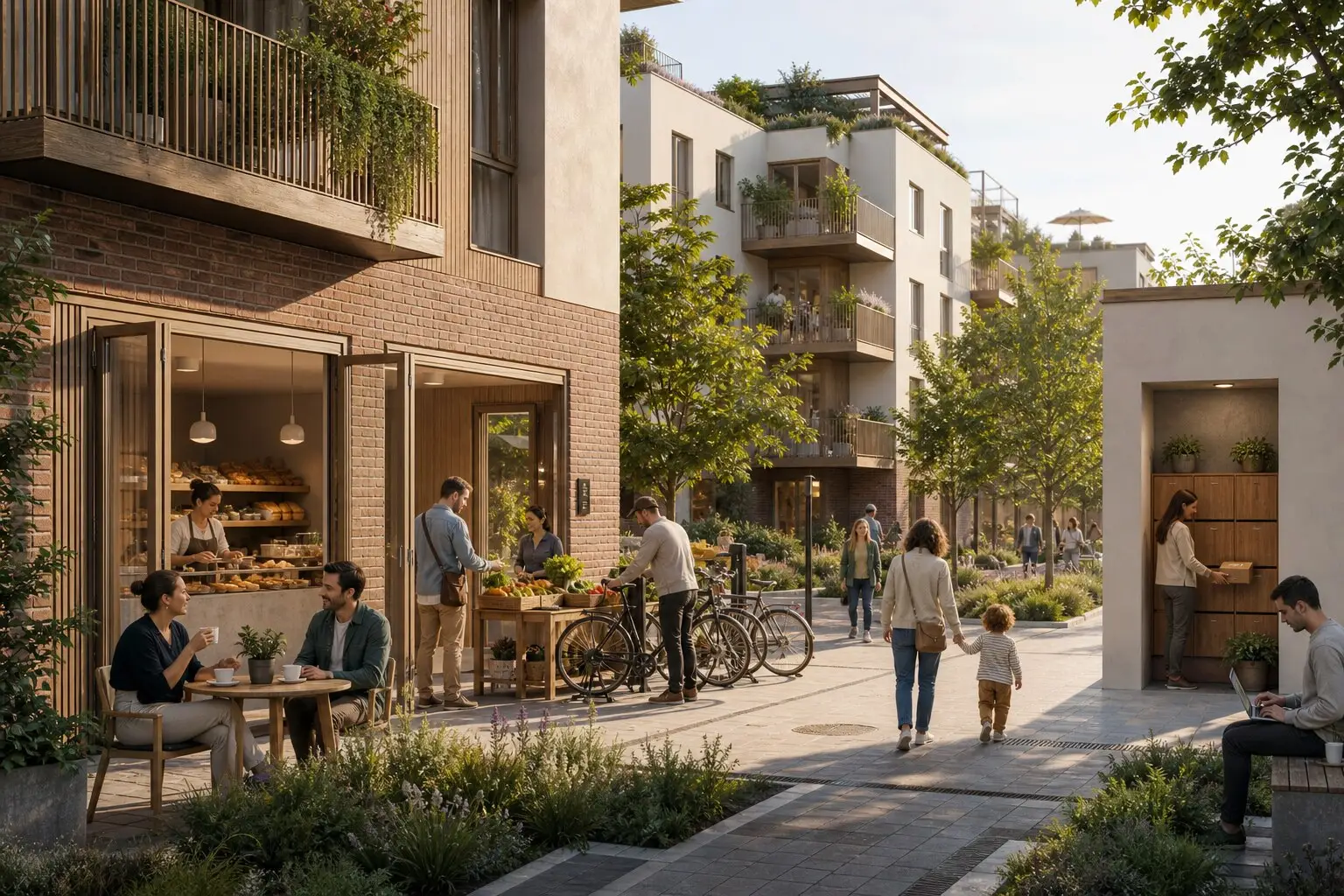
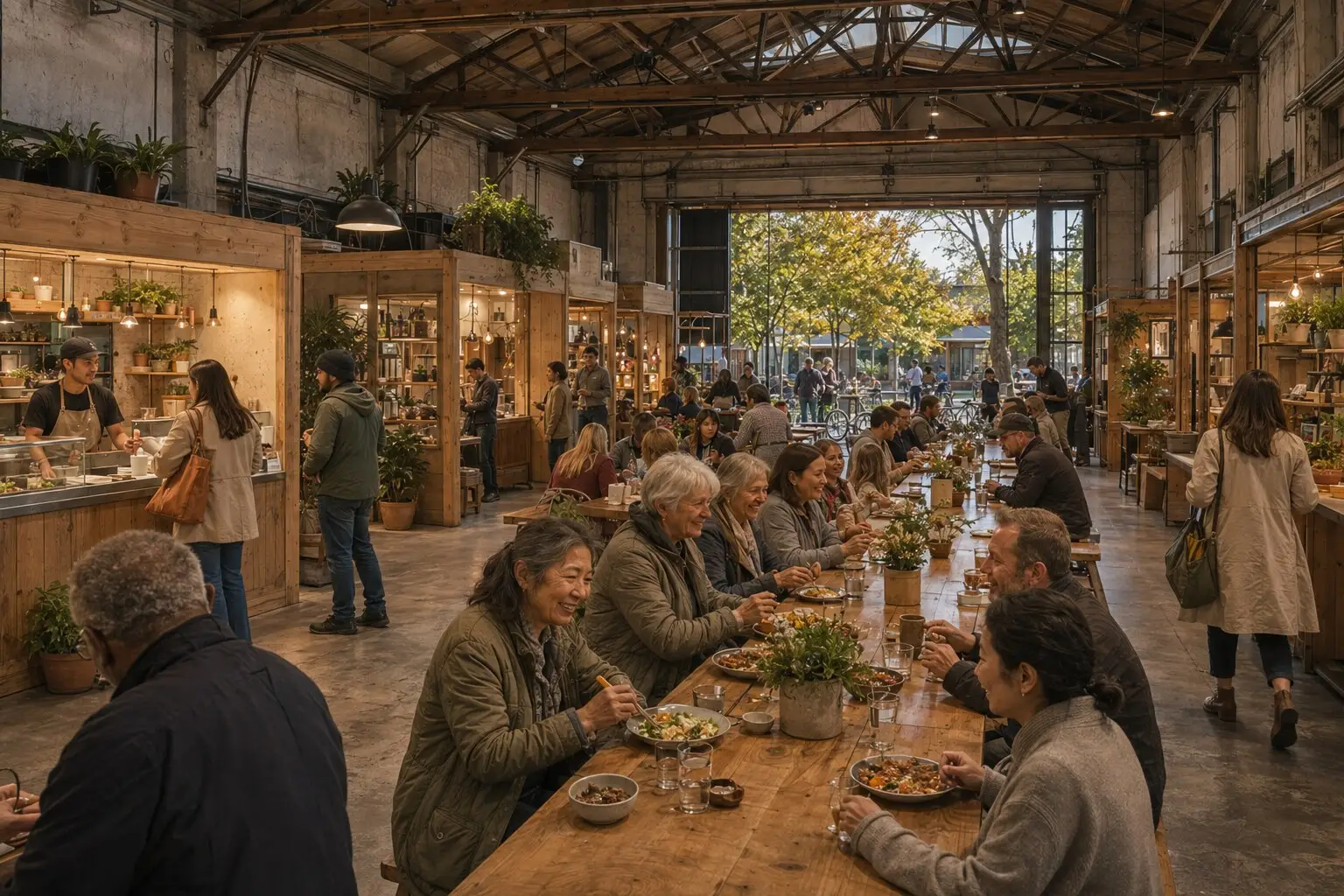
This is where a downtown meets its river. Homes that address the water, with the restaurants, shops and library of an existing downtown at the end of the block. A continuous public edge along the bank, and ground floors that stay open after work.
Homes facing the river
Balconies and windows that look at the water instead of away from it.
Downtown at the end of the block
The restaurants, shops and library that are already there.
The riverfront and the trail
A continuous public edge, with boats, paths and open ground.
Street level open late
Cafes, food and small shops that keep the evening going.
The Westside
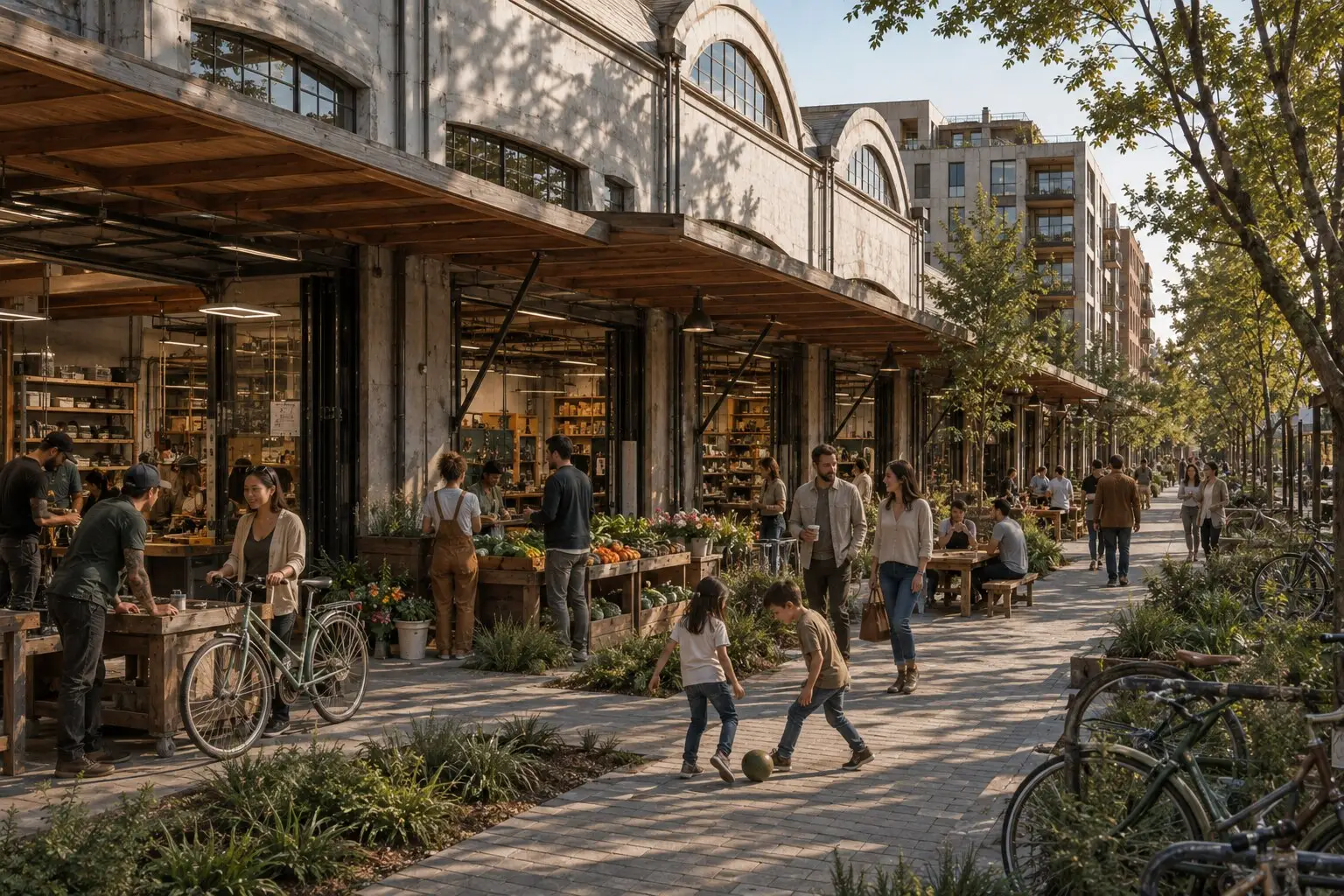
The side where things get made.
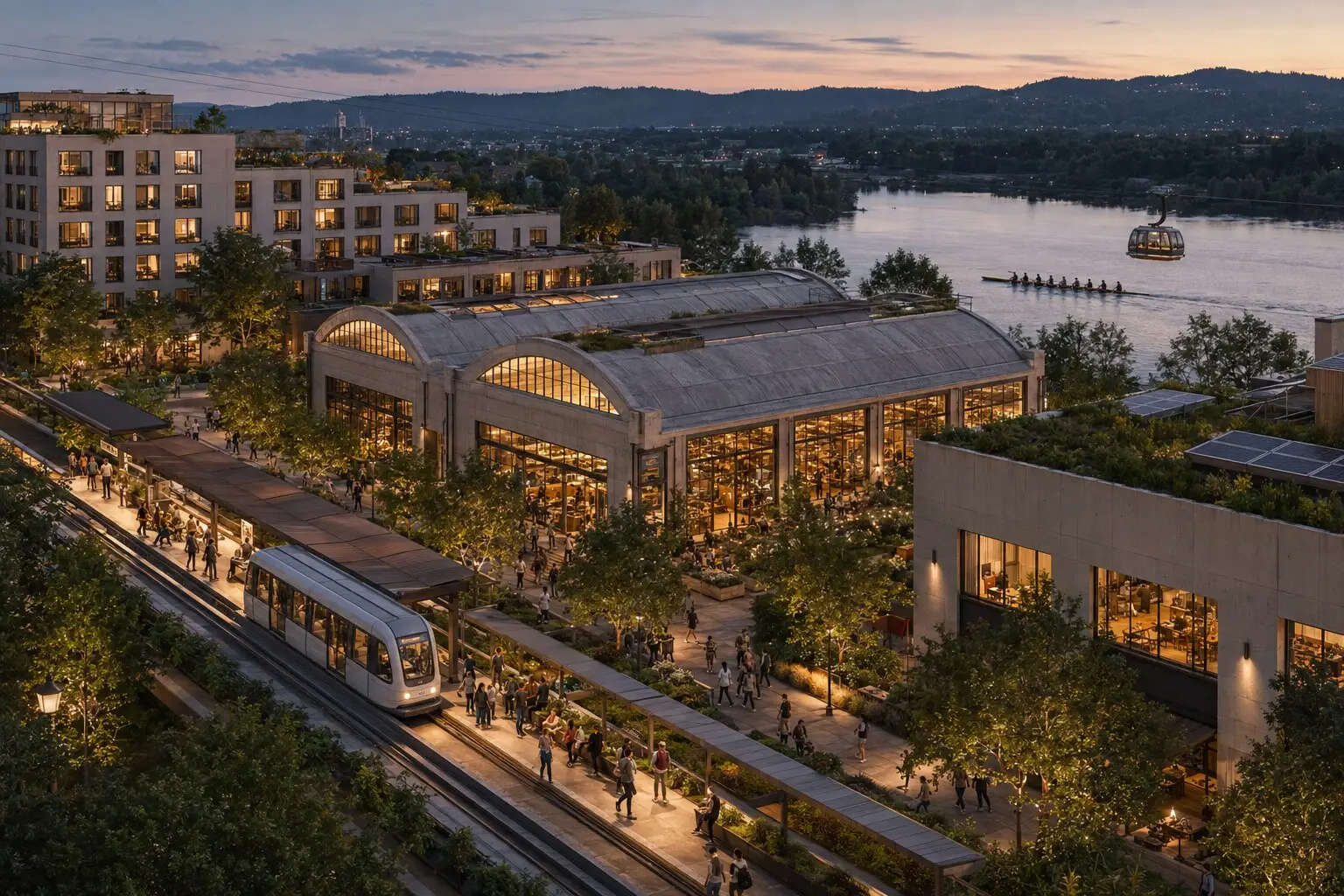
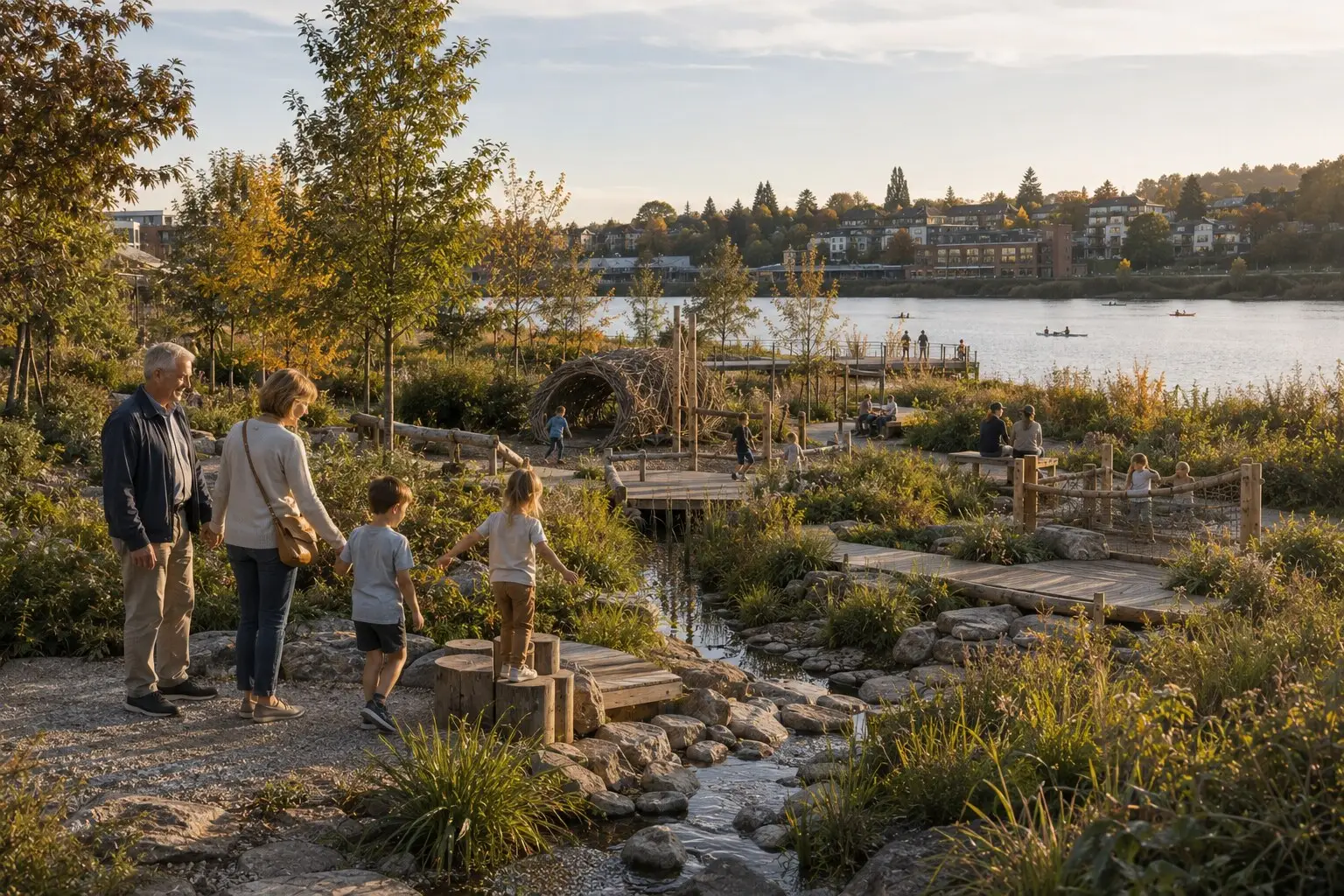
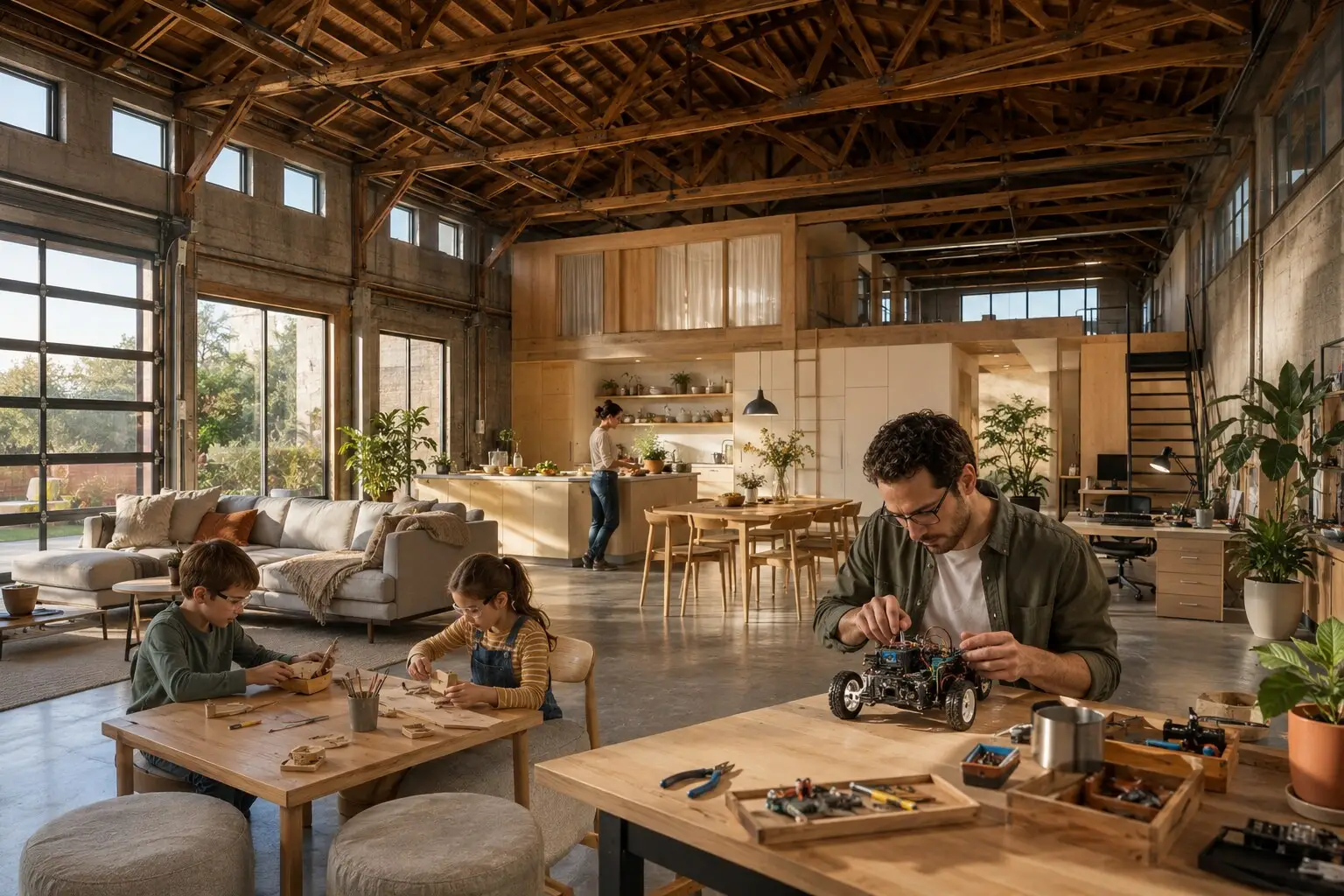
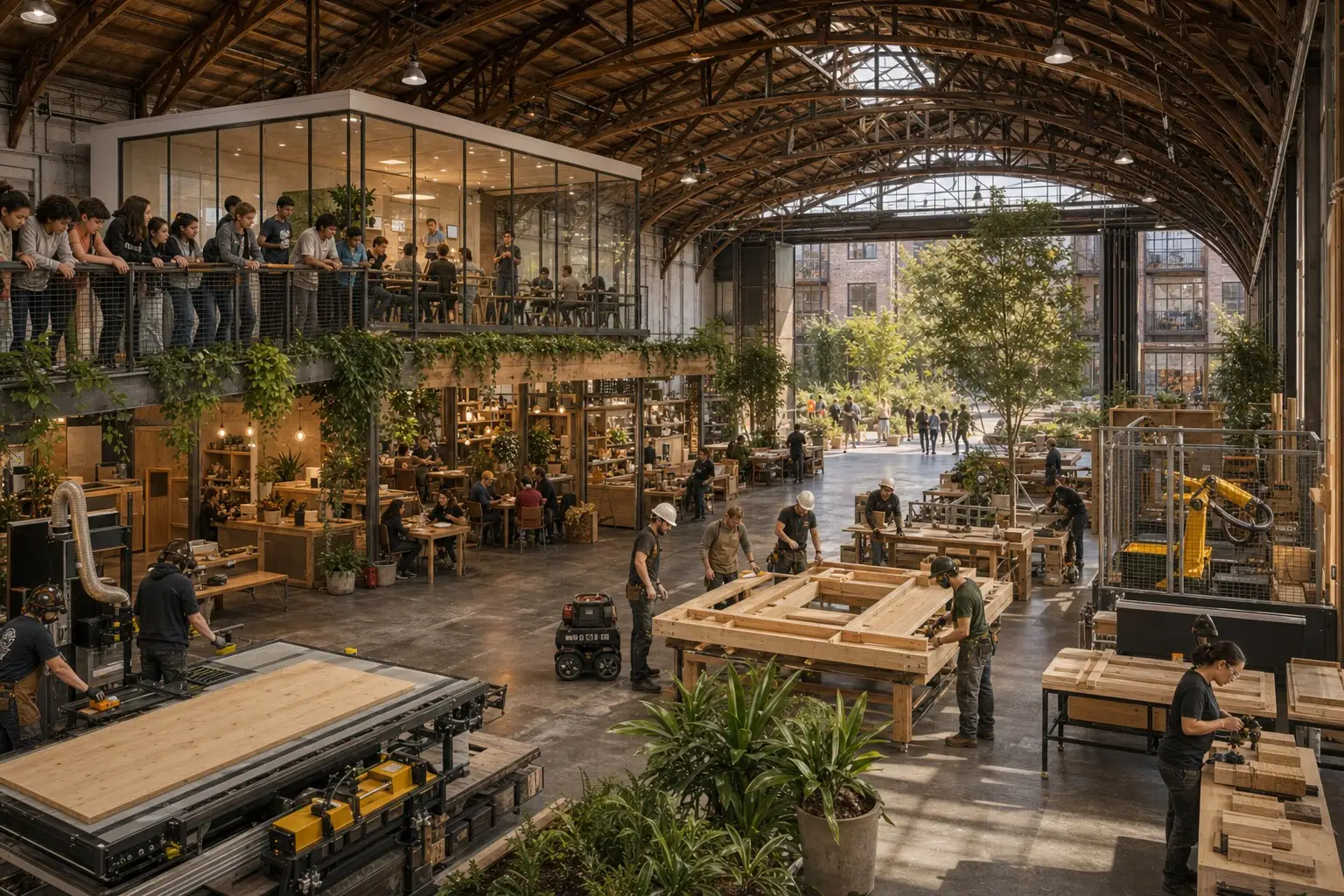
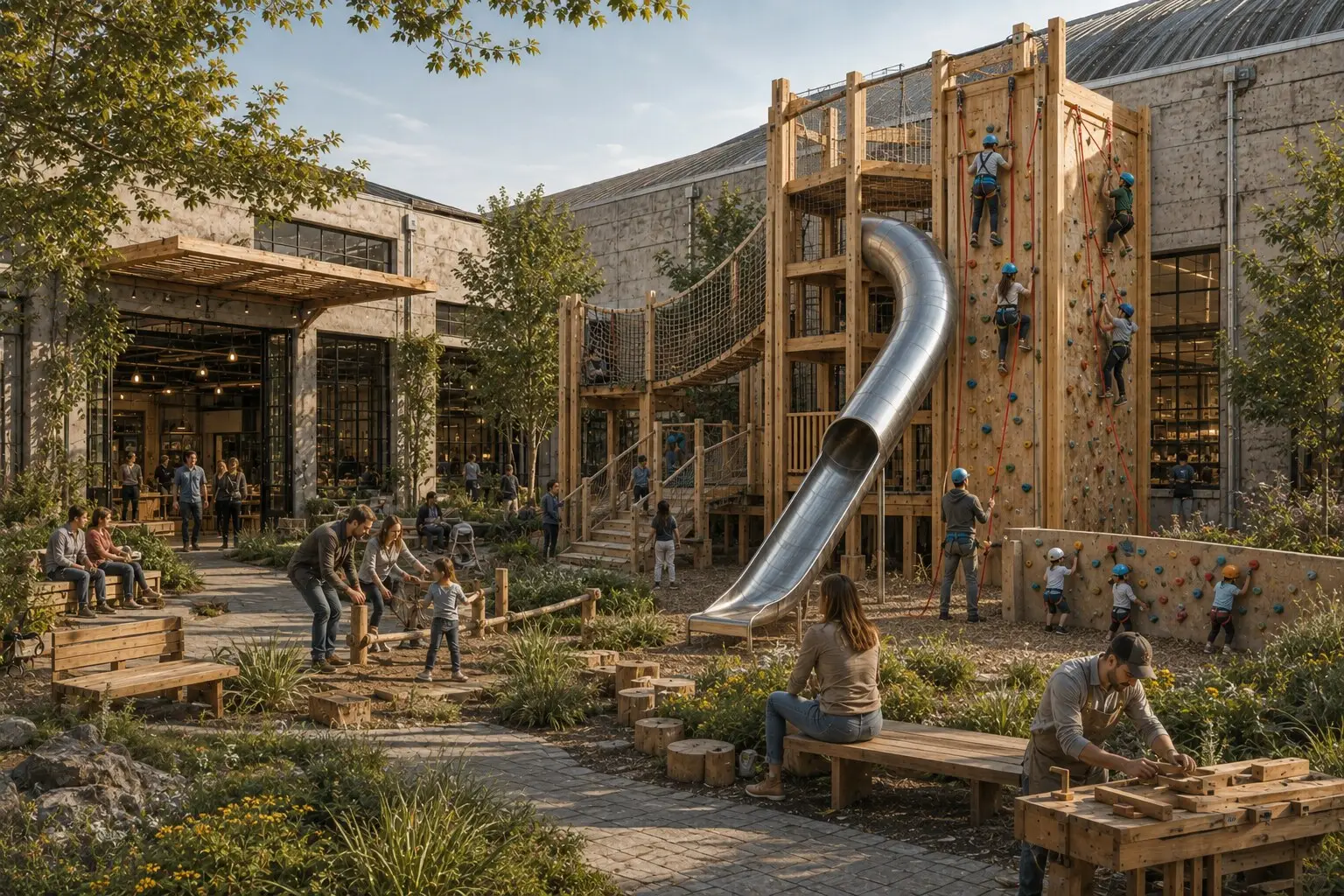
The working side of the river, and it goes on working. Old industrial buildings become lofts, workshops and studios, with new homes built in beside them. Courtyards, gardens and play space are part of it, and so is a range of homes and rents on the same block. What is different is that the making stays. Some people will live a short walk from a bench they use. Everyone else gets a neighborhood with something going on in it.
Live-work lofts
Room to work at home properly: high ceilings, freight doors, a floor you can use.
Workshops and studios nearby
Fabrication, repair, testing and small-scale making, on the same streets.
Courtyards, gardens and play
The quiet parts of a neighborhood, in among the working parts.
A range of homes on one block
Sizes, rents and tenures mixed rather than sorted, so generations overlap.
Your turn
Which one would you want?
Pick one, or both. Where you live now and what you do for work help us understand who each side is for. We will share what we learn.
Occasional updates, no noise, unsubscribe anytime. No purchase, lease or investment commitment is being requested or accepted. See our privacy policy & disclaimers.
Follow along
We want to design with you, not for you.
Tell us who you are and where you would want a Now City neighborhood. We will keep you in the loop as the first one takes shape.